
Climate Resilience and Adaptation Strategies: Building a Sustainable Future
 Facebook
 Twitter
 Linkedin
 Whatsapp
 Telegram
 Instagram
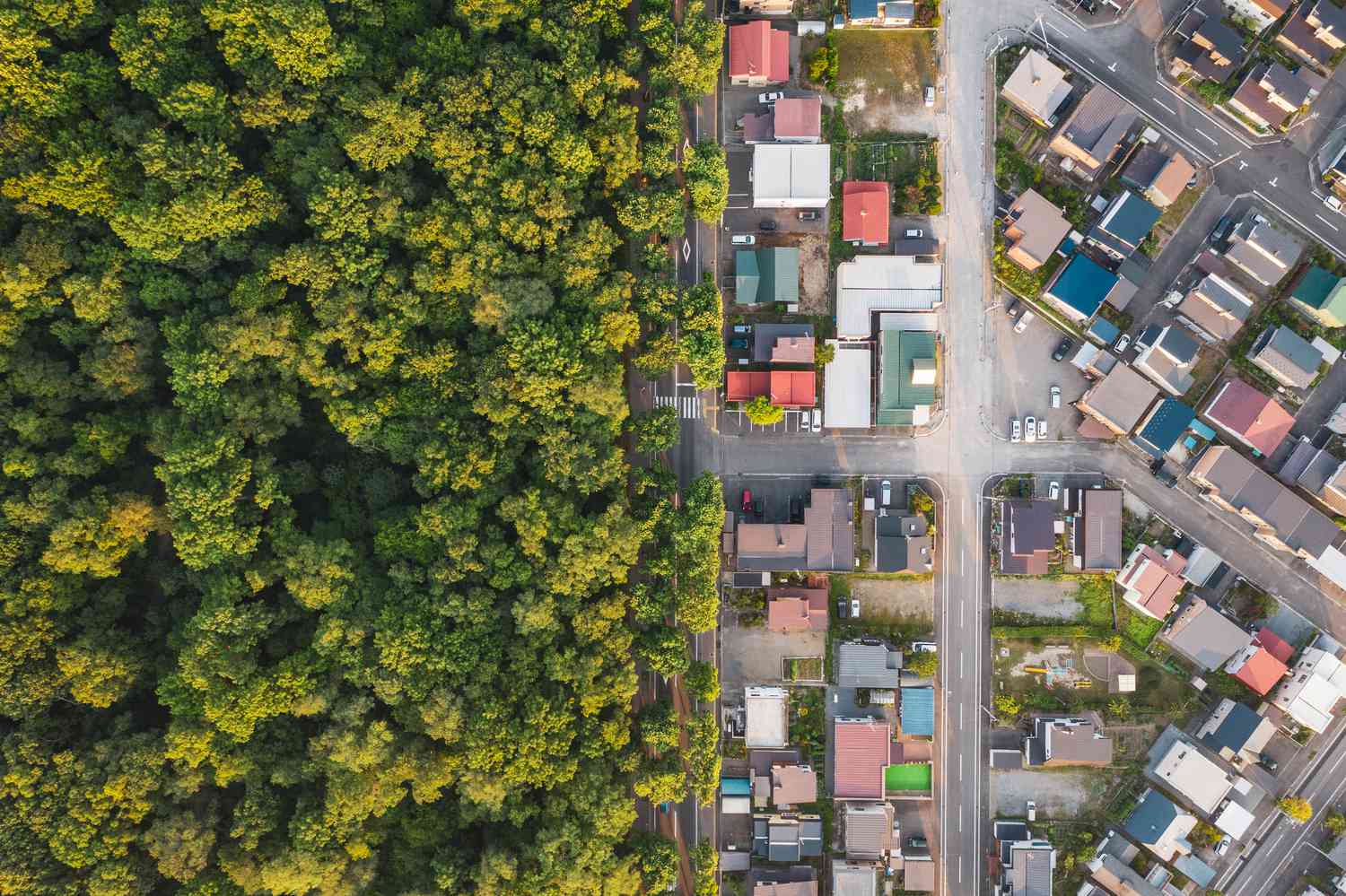
What is Climate Resilience?
Climate resilience refers to the capacity of communities, systems, and individuals to anticipate, prepare for, respond to, and recover from the adverse effects of climate change. In other words, it involves building systems that can absorb shocks and continue to function despite these challenges. As a result, increasing resilience helps communities reduce their vulnerability to climate-related risks, such as floods, droughts, and heatwaves.
The Importance of Adaptation Strategies
Adaptation strategies are measures taken to adjust to the inevitable changes brought about by climate change. Unlike mitigation efforts, which aim to reduce greenhouse gas emissions, adaptation focuses on managing the impacts that are already occurring or are expected to occur in the future. Therefore, implementing effective adaptation strategies is essential for long-term sustainability and risk reduction.
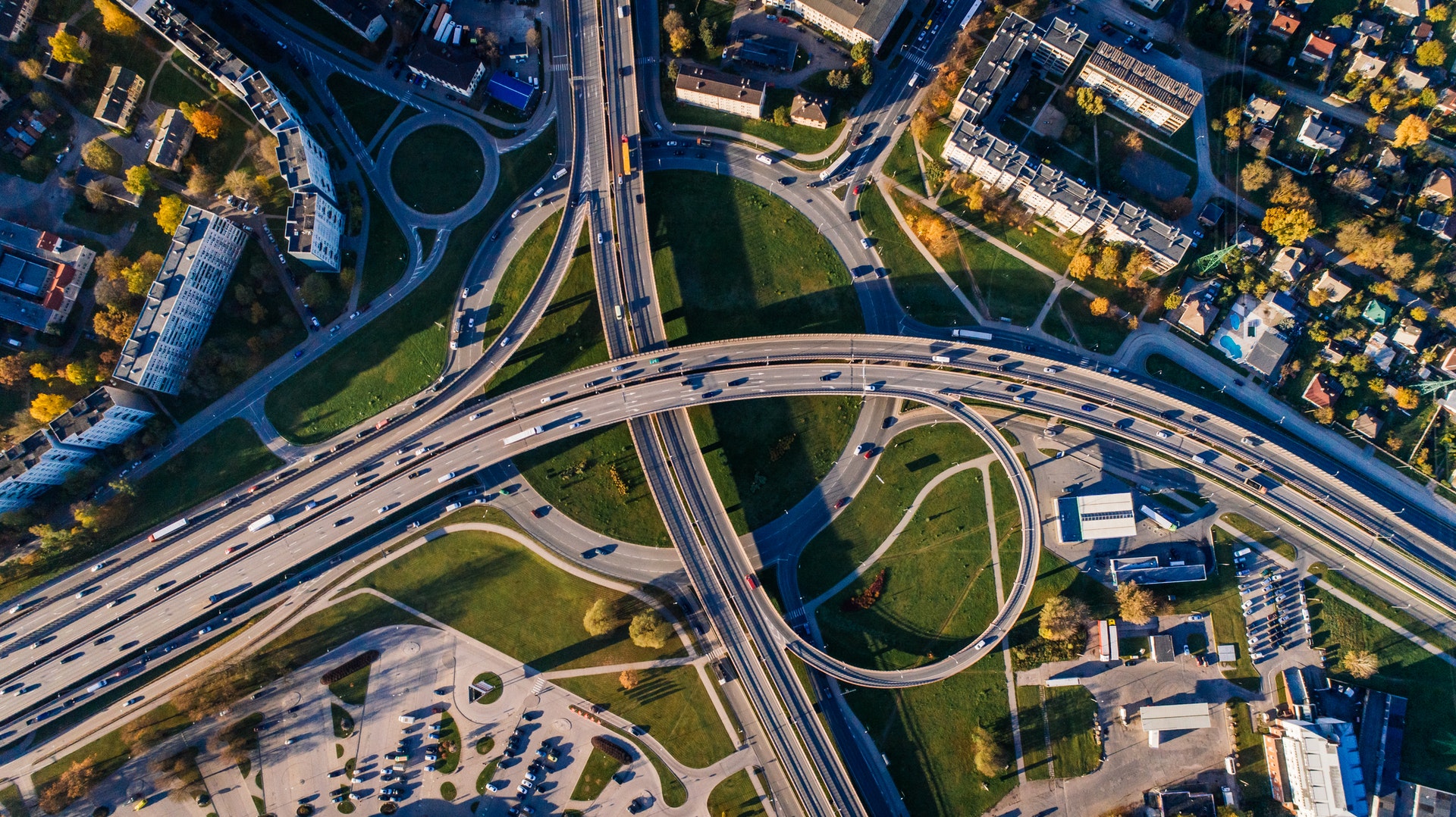
Key Climate Resilience and Adaptation Strategies
- Infrastructure Development and Modification
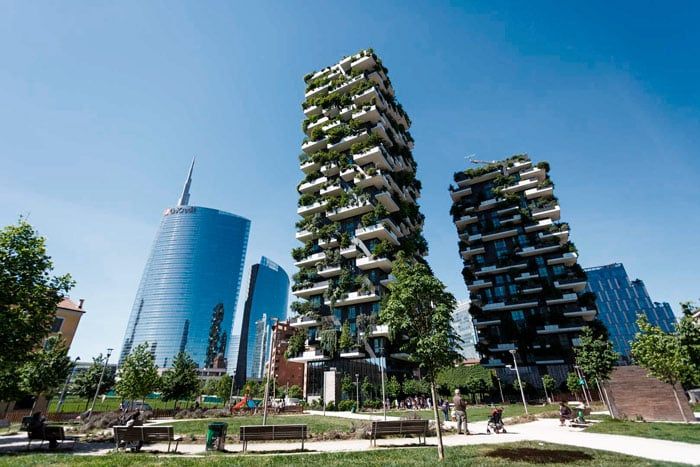
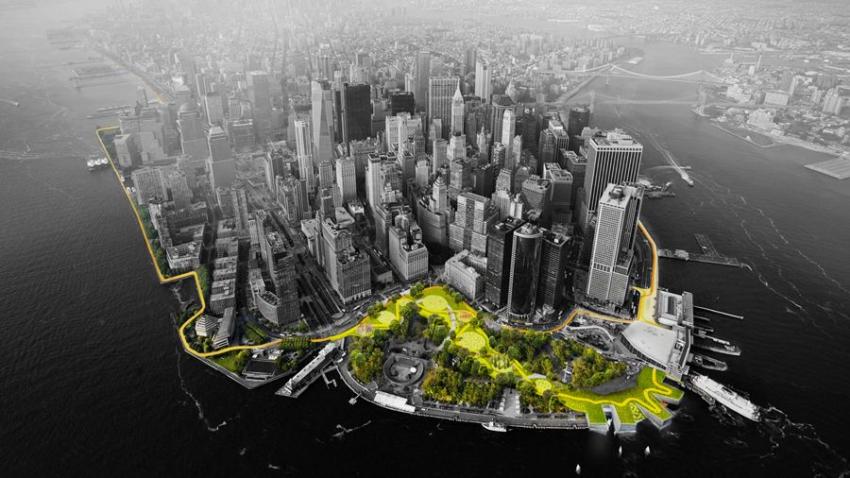
Strengthening infrastructure to withstand extreme weather is one of the most immediate and effective adaptation strategies. For example, flood defenses, resilient transportation networks, and buildings designed to handle heatwaves, storms, and other climate extremes can significantly reduce risks. Additionally, sustainable urban planning is crucial for minimizing climate-related threats and ensuring long-term resilience.
- Ecosystem Restoration and Conservation
- Water Management
- Sustainable Agriculture
- Community Engagement and Education
- Policy and Governance
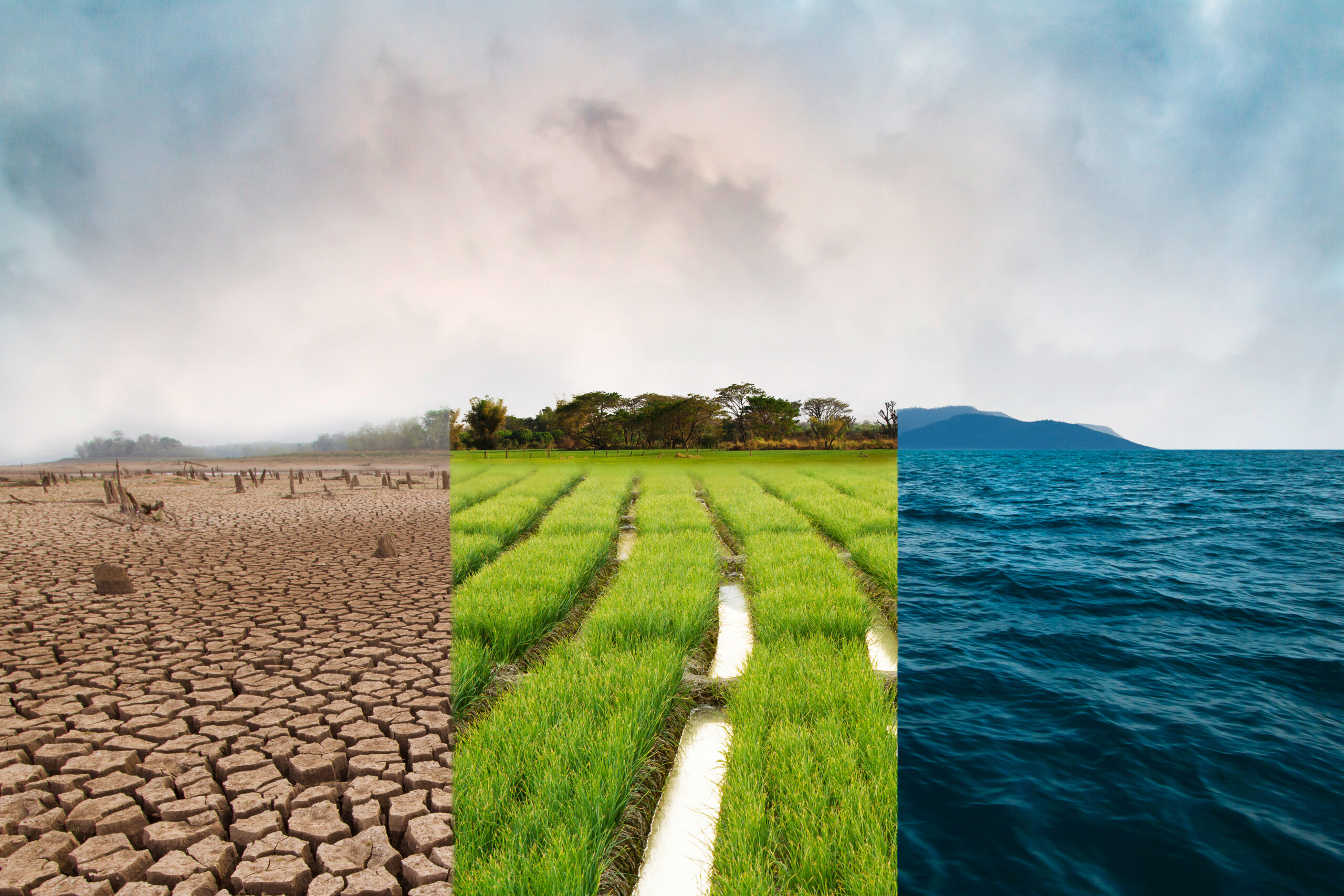
Benefits of Climate Resilience and Adaptation
Implementing climate resilience and adaptation strategies has wide-ranging benefits. Not only do these strategies protect vulnerable people and ecosystems, but they also help grow the economy and create jobs. Moreover, by lowering climate-related risks, adaptation efforts can improve quality of life, support social fairness, and strengthen food and water security. As a result, communities become more prepared to face environmental challenges while ensuring long-term sustainability.
Conclusion
The growing challenges posed by climate change demand immediate action. Therefore, adopting climate resilience and adaptation strategies is essential for creating more sustainable, adaptable communities capable of thriving in a changing world. In this regard, it is time for governments, businesses, and individuals to come together to implement solutions that will safeguard our future and protect the planet for generations to come.
If you are passionate about climate resilience, learn more at the Environmental Integration on Sustainable Perspective and Beyond (EISPB) 2025 Conference, held from April 10–12, 2025, in collaboration with Polytechnic University of the Philippines. To explore further details, visit our official page or email eispb@ierek-scholar.org.
-
 Previous
post
Digital Transformation in Media: Opportunities & Challenges
-
Next post
 Building Resilient Communities
0 COMMENTS
Related Posts























































































































LEAVE A COMMENT