Environmental and Social Responsibility in Business
 Facebook
 Twitter
 Linkedin
 Whatsapp
 Telegram
 Instagram
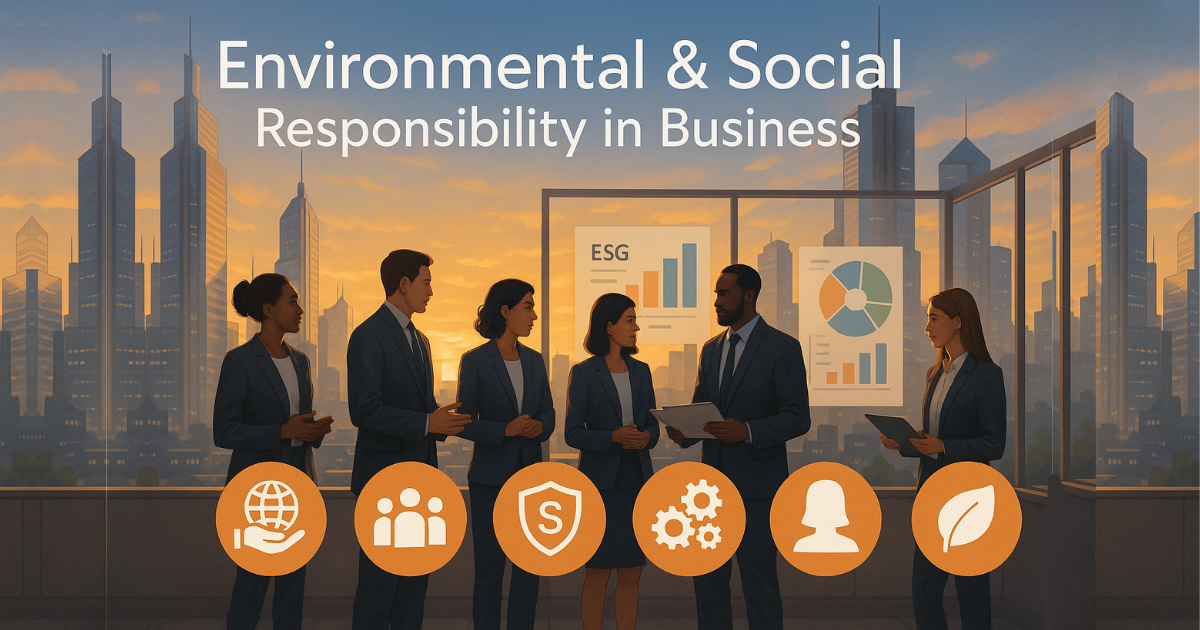
Environmental and Social Responsibility in Business: A Case Study Approach to Modern Corporate Ethics
In today's fast-changing global economy, Environmental and Social Responsibility (ESR) is no longer just a buzzword—it’s a core element of long-term business success. Consumers are more conscious, investors are more selective, and regulations are becoming stricter. Companies that ignore environmental and social impacts risk more than bad press—they risk obsolescence. This blog will explore real-life case studies, practical examples, and proven strategies companies are using to embed ESR principles into their operations. We’ll break down why it matters, how it’s done, and what your business can learn from leaders in this space. [caption id="attachment_19886" align="alignnone" width="735"] Environmental and Social Responsibility in Business[/caption]
What Is Environmental and Social Responsibility in Business?
At its core, Environmental and Social Responsibility refers to a business's obligation to act in ways that benefit society and the environment, beyond the pursuit of profits. It involves taking ownership of a company’s carbon footprint, resource usage, community impact, labor practices, and ethical governance. In practice, this means:- Reducing emissions and waste
- Ensuring ethical sourcing
- Providing fair labor conditions
- Contributing to community development
- Promoting diversity and inclusion
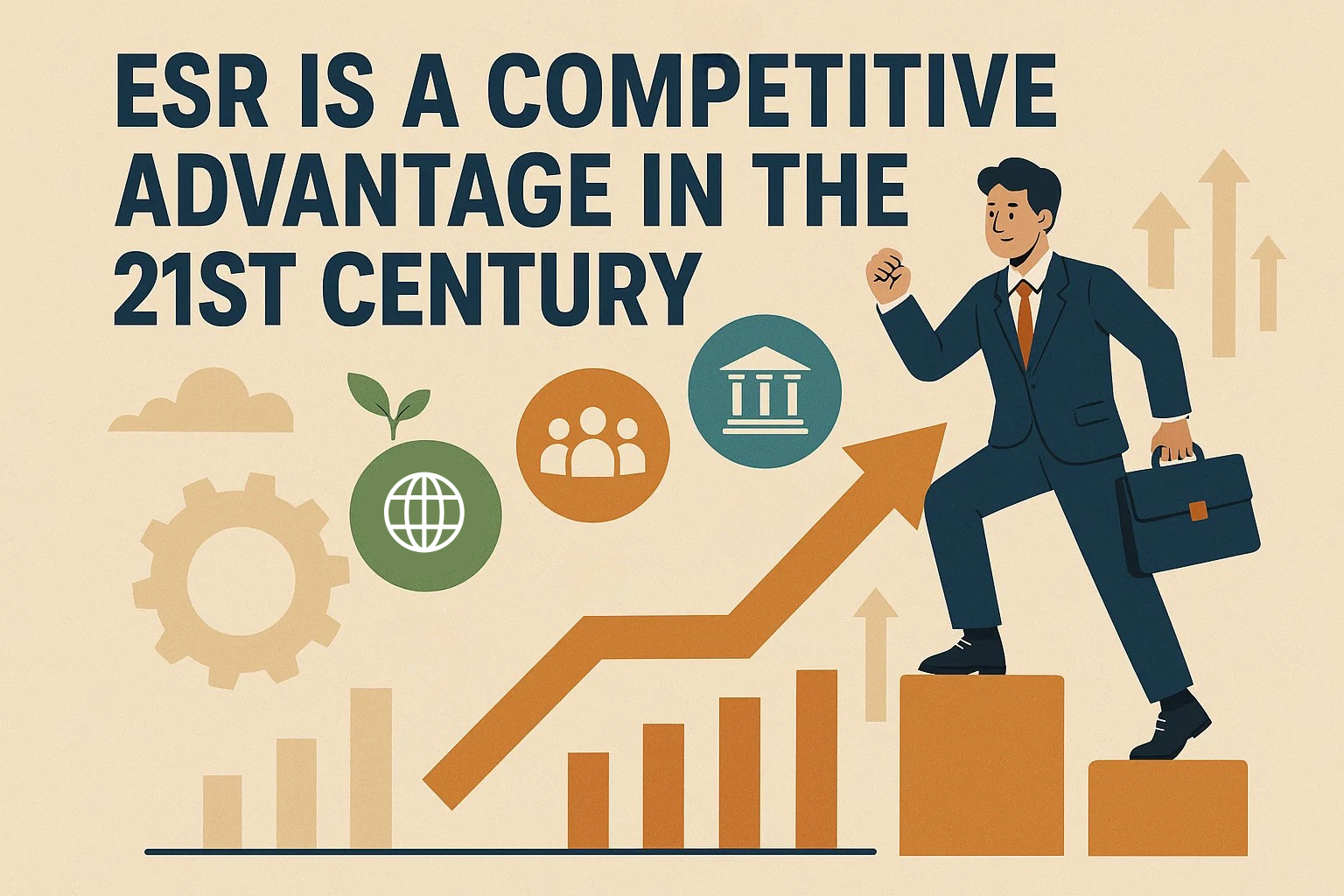 ESR[/caption]
Why ESR Is a Competitive Advantage in the 21st Century
Companies practicing ESR are not only doing good, but they’re also doing well. Numerous studies show that businesses that prioritize sustainability and ethical practices experience:- Stronger brand loyalty
- Greater employee retention
- Increased access to capital
- Better risk management
- Enhanced innovation
Case Study 1: Patagonia – Environmental Responsibility as a Brand Identity
[caption id="attachment_19879" align="alignright" width="358"] Patagonia – Environmental Responsibility as a Brand Identity[/caption]
Perhaps the most well-known example of corporate environmental leadership is Patagonia. This outdoor clothing brand built its identity on environmental activism. Key initiatives include:
- Donating 1% of annual sales to environmental nonprofits
- Producing garments with recycled materials
- Running the "Worn Wear" program to encourage product reuse and reduce waste
Case Study 2: Unilever – Integrating ESR into Global Operations
[caption id="attachment_19902" align="alignright" width="433"] Integrating ESR into Global Operations[/caption]
Multinational giant Unilever has embedded ESR into its global supply chain through its Sustainable Living Plan. The plan focuses on:
- Improving health and hygiene for over a billion people
- Halving the environmental footprint of its products
- Enhancing livelihoods for millions
Case Study 3: Ben & Jerry’s – Advocacy and Social Impact
Ben & Jerry’s has long positioned itself as a values-led business. While their ice cream is iconic, it’s their social campaigns that set them apart. They openly advocate for:
- Climate justice
- Racial equity
- Fair trade practices
Case Study 4: IKEA – Green Innovation at Scale
IKEA, the global furniture retailer, has committed to becoming climate positive by 2030. Their journey includes: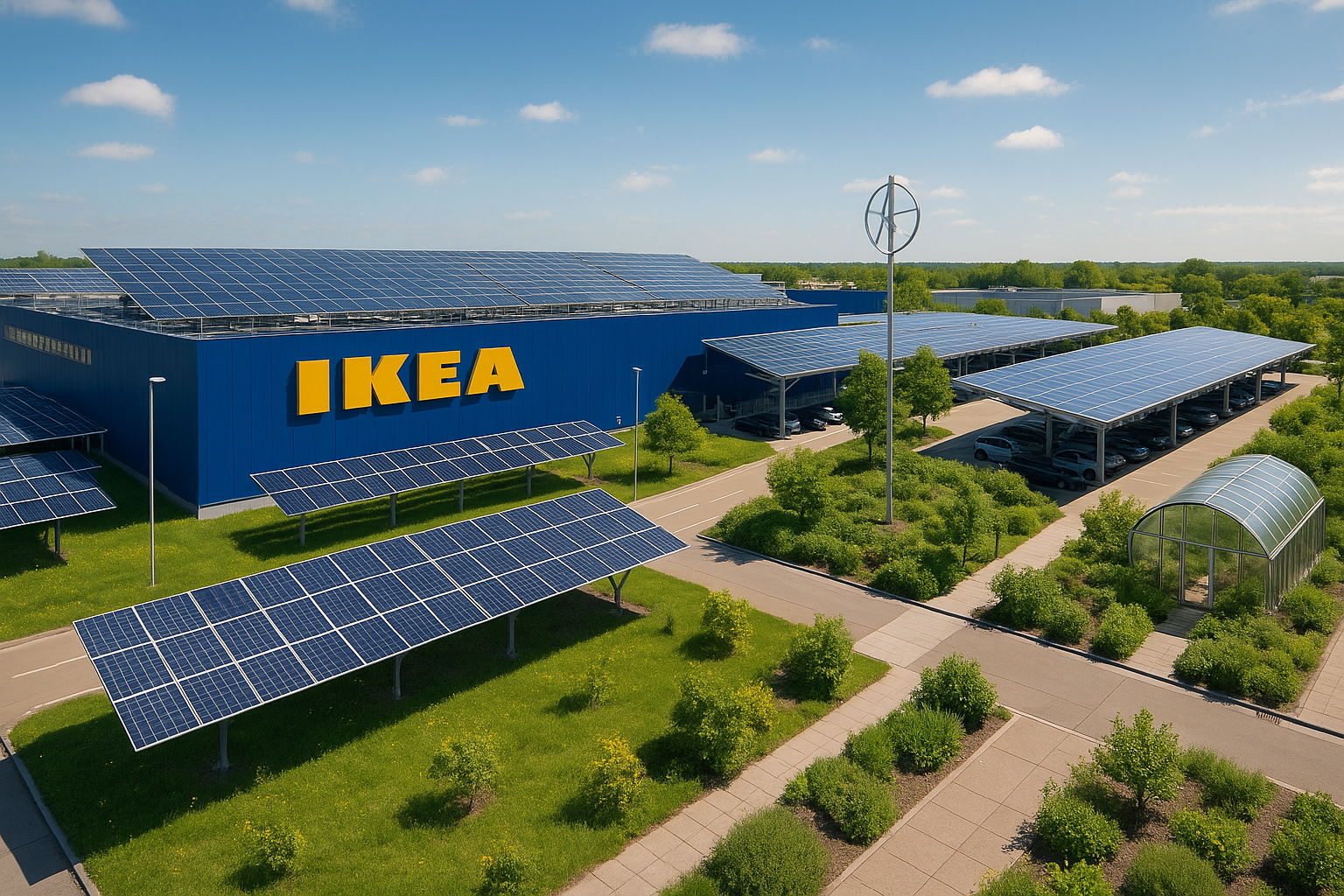
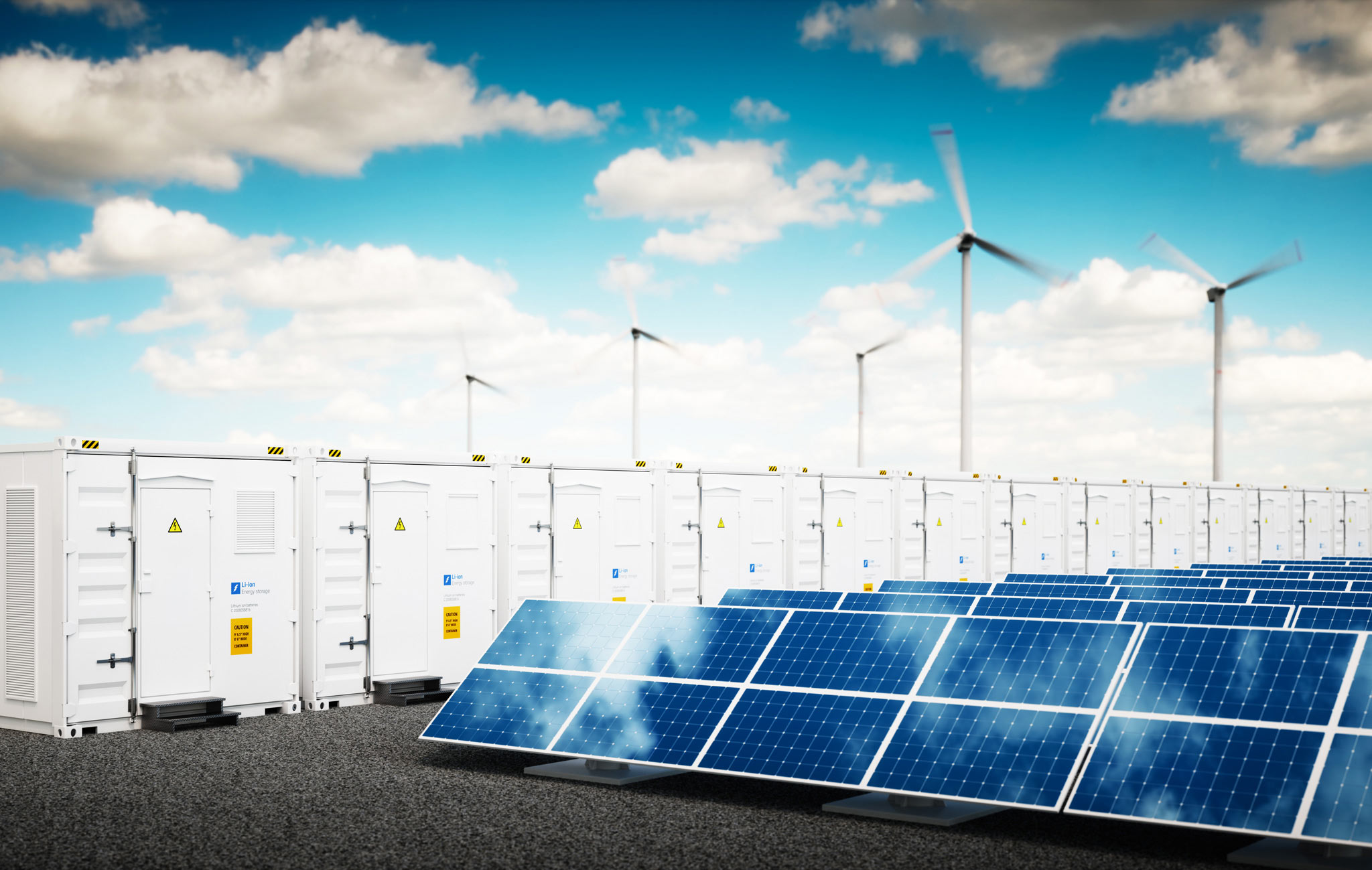
- Investing in solar and wind energy
- Designing products for circular use
- Eliminating single-use plastics
- Offering repair and resale services
Case Study 5: TOMS – Business as a Force for Good
 TOMS pioneered the “One for One” model—donating a pair of shoes for every pair sold. While the model has since evolved, TOMS continues to focus on grassroots giving and social enterprise support.
They now dedicate one-third of profits to organizations working on mental health, education, and ending gun violence. This shift from donation to impact investment has aligned the brand with broader social movements while maintaining customer trust.
Case Study 6: Microsoft – Decarbonizing Digital Innovation
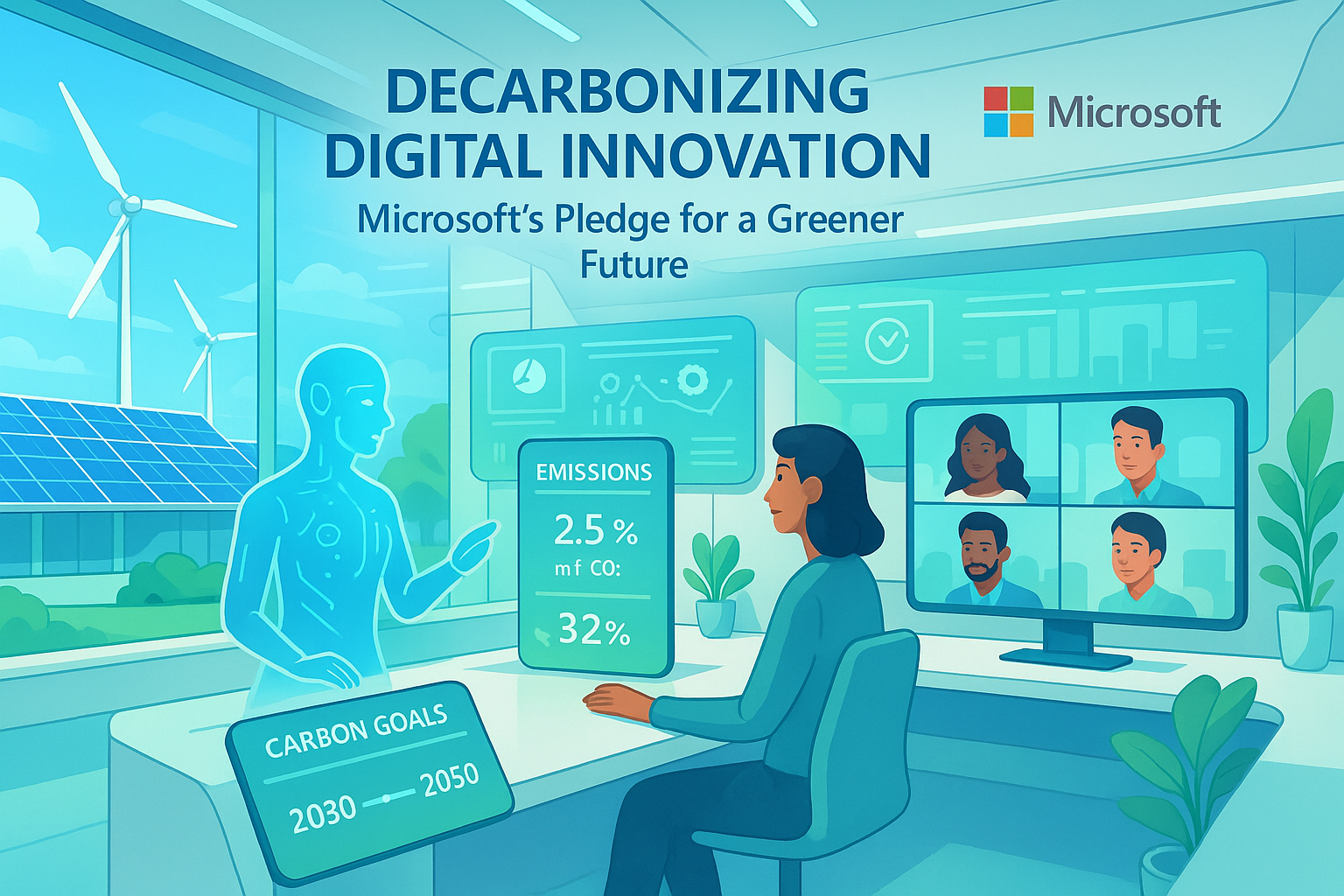 Microsoft has pledged to be carbon negative by 2030 and to remove all historical carbon emissions by 2050. Their strategy includes:
- Internal carbon fees
- AI-driven energy optimization
- Transparent sustainability reporting
- Partnership with suppliers to reduce Scope 3 emissions
How Small and Medium Enterprises (SMEs) Can Adopt ESR
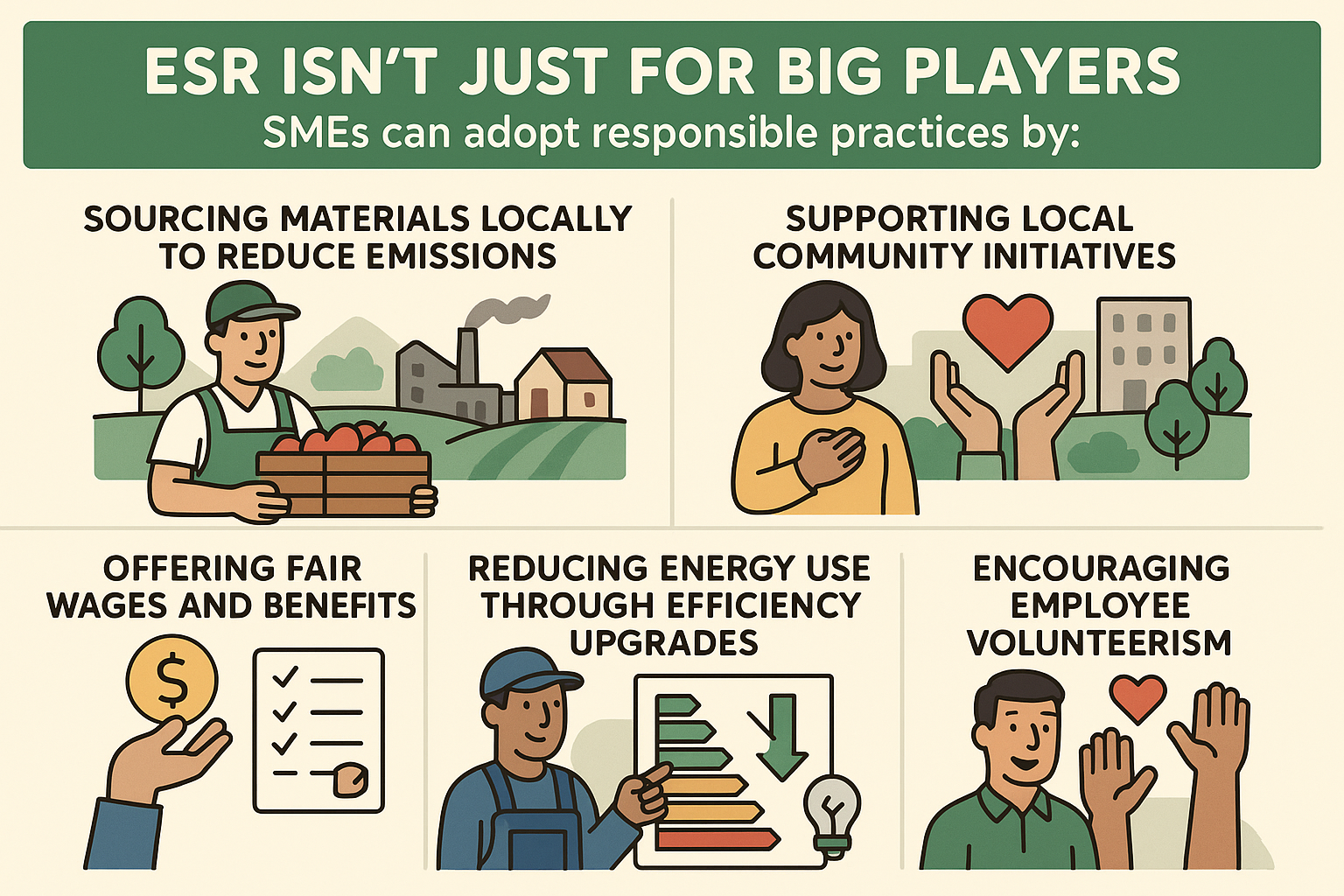 ESR isn't just for big players. SMEs can adopt responsible practices by:
- Sourcing materials locally to reduce emissions
- Supporting local community initiatives
- Offering fair wages and benefits
- Reducing energy use through efficiency upgrades
- Encouraging employee volunteerism
Common Challenges and How to Overcome Them
[caption id="attachment_19899" align="alignright" width="456"] Implementing ESR[/caption]
Implementing ESR comes with challenges such as:
- Higher upfront costs
- Resistance to change
- Supply chain complexity
- Difficulty in measuring impact
- Educating stakeholders on long-term ROI
- Partnering with ESG consultants
- Using software tools for ESG tracking
- Aligning goals with industry benchmarks
The Role of Transparency and Reporting in ESR
[caption id="attachment_19911" align="alignright" width="427"] The Role of Transparency and Reporting in ESR[/caption]
Transparency is critical. Stakeholders want to see proof of progress, not just promises. Businesses should commit to:
- Publishing annual sustainability reports
- Sharing ESG metrics and KPIs
- Engaging in third-party audits
- Responding to stakeholder feedback
Future Trends in Environmental and Social Responsibility
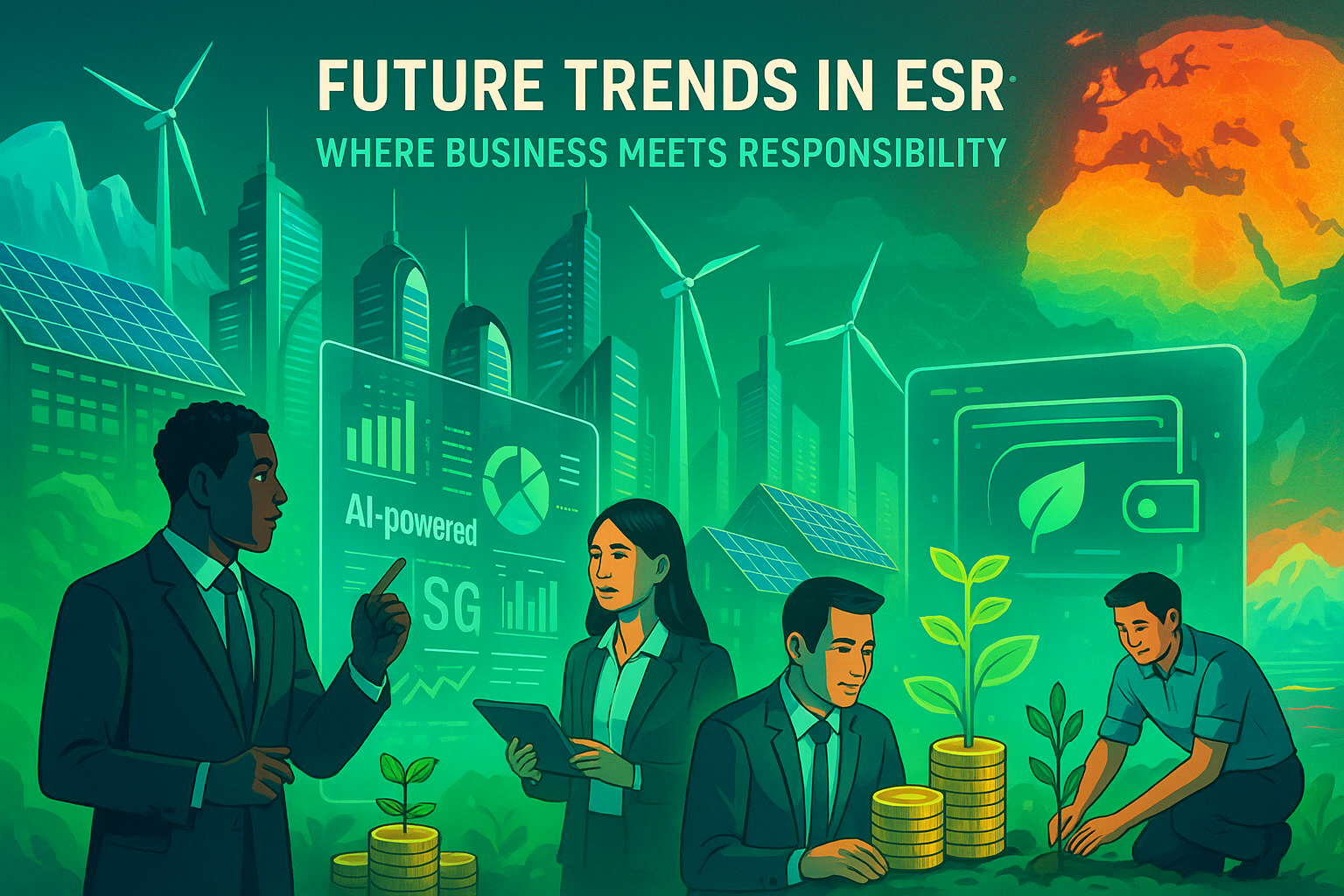 The ESR landscape is evolving rapidly. Key future trends include:
- Mandatory ESG reporting for public companies
- Green finance and impact investing
- Rise of social entrepreneurship
- Growing influence of AI in ESG tracking
- Increasing demand for climate risk disclosures
Conclusion: Doing Good Is Good Business
In a world increasingly affected by climate crises, social inequalities, and ethical concerns, businesses can no longer afford to remain passive. More than ever, environmental and social responsibility is not just a trend—it’s a core business imperative.
As demonstrated by the inspiring examples of Patagonia, Unilever, Ben & Jerry’s, IKEA, TOMS, and Microsoft, companies that lead with purpose consistently gain competitive advantages. Not only do they build stronger trust with consumers and stakeholders, but they also foster innovation, attract top talent, and ensure long-term sustainability.
Moreover, these success stories prove that aligning profitability with purpose is not only achievable but also essential in today’s market. In contrast, businesses that fail to adapt risk falling behind, both reputationally and financially.
Whether you’re just starting out or managing a multinational brand, adopting ESR principles can position your business as a leader in the new economy. By taking even small steps today, you pave the way for lasting impact and resilience tomorrow.
Importantly, this crucial topic—Environmental and Social Responsibility in Business—will be explored in depth during the “Disrupting for Good: AI, Entrepreneurship, and Sustainable Circular Economy – 2nd Edition” conference. The event is scheduled for January 28–29, 2026, and will be hosted at the American University of Ras Al Khaimah, United Arab Emirates.
-
 Previous
post
Heritage Tourism in Europe
-
Next post
 Earthquake Resilience: case studies
0 COMMENTS
Related Posts




































































































































































LEAVE A COMMENT